
 Search


Laundry detergent pods are convenient for making sure you use the right amount of detergent. Just make sure you store and keep them out of reach of pets and children – they are highly toxic.
As an adult it’s often hard to predict what will be dangerous, because we think like adults. We know laundry detergent goes in the laundry machine and not in the mouth. Unfortunately, the pods can look like candy to small children, and like toys to pets. They look fun to kick around, hold between the paws, and chew on.

But, isn’t the detergent in plastic?
Not exactly. The pods are designed to hold detergent until the shell comes in contact with moisture – such as the water in the laundry machine or your child’s or pet’s saliva. The detergent in the pods is highly concentrated and much more dangerous than most regular detergents.
When released, the detergent can cause life-threatening damage to the respiratory system, burning of the stomach and trachea, and eye damage.
Symptoms of contact with a pod include drooling, vomiting, difficulty swallowing, and respiratory problems. Many times, the pod is gone – already swallowed – and it’s difficult to know what’s causing the symptoms.
The problem is easy to remedy. Keep your detergent in a secure shelf where your pets and children can’t reach it. Never leave a pod lying around the house, not even on top of a laundry pile.
 This sounds like a bizarre holiday, but there is a reason for it. Most humans visit the doctor and dentist annually. Dog owners are generally pretty good with taking their pooches to the vet at least once a year for a check-up. Cats, on the other hand, are often forgotten.
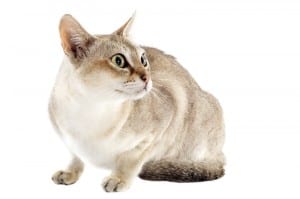 Cats might not be able to talk like humans do, but they do communicate. Unfortunately, we often misunderstand the attempts of communication and think the cat is “bad” or just weird.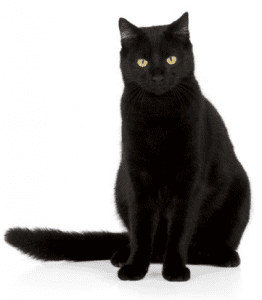
 Many children have problems reading. The school environment can be intimidating, and it’s no fun to constantly be corrected. At the same time, shelters are overcrowded with pets yearning for some human affection. The connection between reading problems and shelter pets might not be perfectly clear, but bear with us. It’s there.
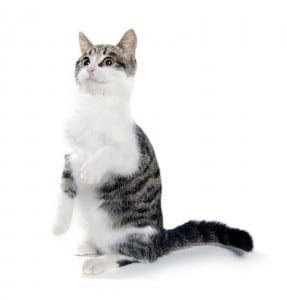 Today is a good day to take some extra time to play with your cat – August 8th is International Cat Day, celebrating our feline friends. The day was first celebrated in 2002, and has become a yearly festivity.
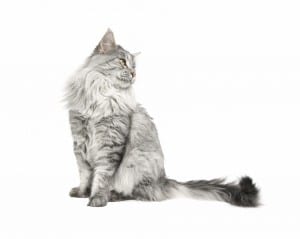 Cats love to scratch things. It removes the dead outer layer of their claws and keeps their claws sharp and conditioned. It’s a way for kitty to mark territory – cats have scent glands on their feet, and the scratching leaves a scent mark. Scratching also helps cats stretch while flexing their feet and claws.
 The Pallas cat isn’t your average house cat; these furry felines are native to the steppe regions of Central Asia where they live on high altitudes. They are solitary and spend their days in caves or rock crevices, coming out to hunt in the late afternoon. The Pallas cat is rare and doesn’t do well in captivity.